
Wheel Bearing Problem Signs: How to Spot a Faulty Wheel Bearing Early

Wheel bearings play a crucial role in vehicle safety and performance. They allow the wheels to spin smoothly with minimal friction. When a wheel bearing starts to fail, it can lead to serious issues, including unsafe driving conditions and costly repairs. Recognising the early signs of a faulty wheel bearing helps prevent further damage and ensures the vehicle remains reliable on the road.
In this article, I will guide you through the common wheel bearing problem signs, explain how to detect them, and offer practical advice on what to do if you suspect a bearing issue. This information is essential for anyone involved in vehicle maintenance, from mechanics to parts distributors and vehicle owners.
Common Wheel Bearing Problem Signs to Watch For
Wheel bearings wear out over time due to constant use and exposure to harsh conditions. Identifying the problem early can save time and money. Here are the most common signs that indicate a wheel bearing may be failing:
Unusual Noise: A grinding, humming, or growling noise coming from the wheel area is often the first sign. The sound usually increases with speed and may change when turning.
Vibration or Wobbling: If you feel vibration in the steering wheel or the vehicle wobbles, it could be due to a loose or damaged bearing.
Uneven Tyre Wear: A faulty bearing can cause uneven pressure on the tyres, leading to irregular wear patterns.
ABS System Issues: Some wheel bearings have sensors for the anti-lock braking system. A failing bearing might trigger ABS warning lights.
Wheel Play: Excessive play or looseness in the wheel when rocked back and forth can indicate bearing wear.
These signs are not always obvious at first, so regular inspections are important. If you notice any of these symptoms, it is wise to investigate further or consult a professional.

How to Diagnose Wheel Bearing Problems Accurately
Diagnosing a wheel bearing problem requires a combination of observation and physical checks. Here are some steps to help identify a faulty bearing:
Listen for Noise: Drive the vehicle at different speeds and listen carefully for any unusual sounds coming from the wheels.
Check for Play: With the vehicle lifted, grasp the wheel at the top and bottom and try to rock it. Any noticeable movement may indicate bearing wear.
Spin the Wheel: Rotate the wheel by hand and listen for grinding or roughness.
Inspect Tyres: Look for uneven wear patterns that could suggest bearing or alignment issues.
Monitor ABS Lights: If the ABS warning light is on, it may be related to a wheel bearing sensor.
Using these methods helps confirm whether the wheel bearing is the source of the problem or if other components are involved.
Do Bearings Usually Give Warning Before They Fail?
Yes, wheel bearings often give warning signs before they completely fail. The early symptoms can be subtle but noticeable if you pay attention. For example, a faint humming noise that grows louder over time or slight vibration in the steering wheel can be early indicators.
However, some bearings may fail suddenly without much warning, especially if damaged by impact or contamination. Regular maintenance and inspections are the best way to catch problems early. Ignoring the signs can lead to wheel lock-up or detachment, which is dangerous.
By understanding the typical warning signs, you can act promptly to replace the bearing and avoid further damage to the vehicle.
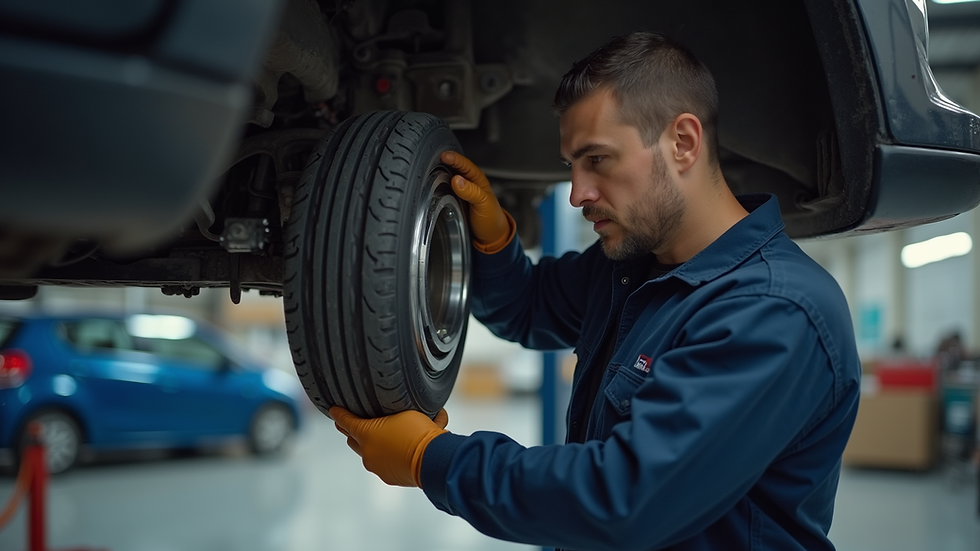
Why Timely Replacement of Faulty Wheel Bearings Matters
Replacing a faulty wheel bearing promptly is critical for several reasons:
Safety: A worn bearing can cause wheel instability, increasing the risk of accidents.
Preventing Further Damage: A damaged bearing can affect other parts like the hub, axle, and suspension components.
Cost Savings: Early replacement is usually less expensive than repairing extensive damage caused by a failed bearing.
Maintaining Vehicle Performance: Properly functioning bearings ensure smooth wheel rotation and better fuel efficiency.
Ignoring the signs of a bad wheel bearing can lead to costly repairs and unsafe driving conditions. It is always better to address the issue as soon as symptoms appear.
Best Practices for Maintaining Wheel Bearings
To extend the life of wheel bearings and avoid unexpected failures, consider these maintenance tips:
Regular Inspections: Check wheel bearings during routine vehicle servicing.
Keep Bearings Clean and Lubricated: Dirt and moisture can cause corrosion and wear.
Avoid Overloading: Excessive weight stresses the bearings.
Drive Carefully: Avoid potholes and rough terrain when possible.
Use Quality Replacement Parts: When replacing bearings, choose reliable aftermarket components that meet or exceed OEM standards.
Following these practices helps ensure wheel bearings remain in good condition, supporting vehicle safety and performance.
Taking Action When You Suspect a Wheel Bearing Issue
If you notice any wheel bearing problem signs, take these steps:
Do Not Ignore the Symptoms: Early signs should never be dismissed.
Schedule a Professional Inspection: A qualified mechanic can confirm the diagnosis.
Replace the Bearing Promptly: Use high-quality parts for replacement.
Check Related Components: Inspect hubs, seals, and suspension parts for damage.
Test Drive After Repair: Ensure the noise and vibration are gone.
Prompt action protects the vehicle and ensures peace of mind on the road.
Understanding wheel bearing problem signs is essential for maintaining vehicle safety and reliability. By recognising the symptoms early and taking appropriate action, you can prevent costly repairs and keep your vehicle running smoothly. Regular maintenance and careful driving habits also play a key role in extending the life of wheel bearings. Stay vigilant and proactive to avoid unexpected breakdowns and ensure safe journeys every time.


Comments